

When selecting home protective films, one should comprehensively consider factors such as usage scenarios, material characteristics, environmental friendliness, ease of installation, and budget.
Recommended by Material
TPU (Thermoplastic Polyurethane) Film
Advantages: Strong impact resistance, self-healing scratches, high-temperature resistance, environmentally friendly and non-toxic, long service life.
Suitable for: Children's furniture, glass coffee tables, kitchen countertops, areas prone to bumps.
PET (Polyester) Film
Advantages: High transparency, scratch-resistant, does not yellow easily, formaldehyde-free.
Suitable for: Solid wood tabletops, pianos, high-end furniture for long-term protection.
PVC (Polyvinyl Chloride) Film
Advantages: Waterproof and oil-proof, low cost, easy to apply.
Suitable for: Short-term protection or non-high-temperature areas (avoid areas near stoves).
PE (Polyethylene) Film
Advantages: Soft, inexpensive, suitable for temporary use (e.g., moving).
Electrostatic Adsorption Films (mostly PVC or PET-based)
Advantages: Adhesive-free, reusable, leaves no residue.
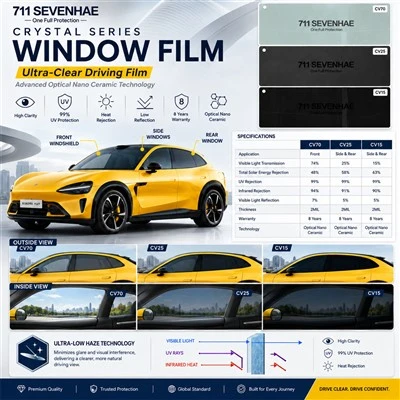
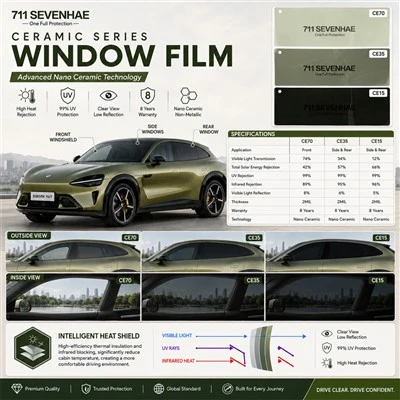
Suitable for: Window solar films, bathroom privacy films, and other scenarios that require frequent replacement. ...